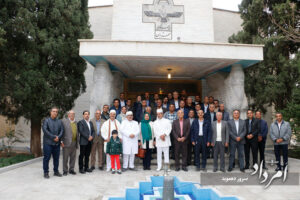


Dr. Behshid Barkhordar, the Zoroastrian representative in the Iranian Parliament, shared a report on the nationwide conference of Zoroastrian associations and organizations held in Isfahan to discuss community challenges and exchange ideas.
The two-day conference on 20–21 Azar 1404 (December 11–12, 2025), hosted by the Isfahan Zoroastrian Association, included annual reports, discussions of challenges, and updates on community projects. While associations shared their activities, it was noted that successful organizations could have offered insights on achieving their accomplishments and transparency in budgets.
The event began with a community prayer, a visit to Dar-e Mehr Gohar o Mehraban, and updates on ongoing construction projects. The formal session opened with a welcome from Dr. Mitra Pashoutani Zadeh, followed by remarks from Peyman Sardar, head of the Isfahan Zoroastrian Association, and Dr. Barkhordar. They expressed gratitude for the hosting, outlined budgets and development projects—including renovations of religious and educational sites, infrastructure improvements, and support for talented Zoroastrian youth—and emphasized plans to strengthen financial oversight of associations and organizations.
Dr. Barkhordar also introduced her advisory team: Mobed Dr. Mehraban Pouladi, Dr. Kambiz Mizaniyan, Engineer Sohrab Salamati, Dr. Mehrdad Ghadrdan, Mehraj Barkhordar, Engineer Pouria Khosravi Cham, Engineer Manouchehr Arghavani, Engineer Ardeshir Ghods, Dr. Anahita Shahriari, and Kamand Kaviani.
Dr. Behshid Barkhordar also noted that all association heads and certain organizational leaders serve as advisors within their respective roles, and she mentioned that additional advisors may be appointed in the future as needed.
The session continued with a speech by Mobed Dr Mehraban Pouladi, head of the Mobeds Association. He welcomed attendees and highlighted the importance of unity within the community, emphasizing programs and celebrations that engage and educate Zoroastrian youth. He also addressed community challenges, particularly those affecting young Zoroastrians, including issues related to identity cards.
Mobed Dr. Pouladi shared a brief history of the Mobeds Association and discussed the transfer of the highest Zoroastrian authority from the Mobeds Association to the Dispute Resolution Council, referencing correspondence from the previous Zoroastrian parliamentary representative and explaining the challenges surrounding this change.
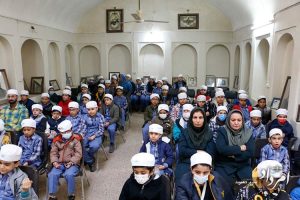
Following the agenda, associations and organizations introduced themselves, outlined their activities, and submitted written reports on organizational, social, financial, and cultural challenges. These discussions led to several resolutions, which were formally approved by all participating associations and organizations.
- The Mobeds Association of Iran will continue to hold the highest authority over personal status, religious matters, and Zoroastrian endowments, according to its statutes.
- Selected youth will be trained by associations in various areas to assist with administrative and organizational tasks (excluding the Mobeds Association) until the next national conference.
- Educational programs will be held this year to introduce Zoroastrian youth in Yazd and Tehran to religious laws and practices.
- Community data collection will be coordinated to support better planning for different generations of Zoroastrians.
- Short-term vocational workshops and home-based business training, including materials, will be offered for Zoroastrian women.
- Associations, especially larger ones, will provide financial support to community organizations for events, tournaments, camps, and similar programs.
- Centralized proposals will be prepared by associations and organizations to secure funding and ensure sustainable income.
- The Zoroastrian Chamber of Commerce of Iran will facilitate connections between young Iranians and Zoroastrian entrepreneurs abroad to promote education and entrepreneurship.
Thanks to Ahura Mazda, the associations emphasized the importance of maintaining data-driven planning, building information resources for different generations, and training youth to take on responsibilities within the community.