

Introduction: A child is like a seed planted in the soil of family and society. When nurtured with love and security, it can grow into a strong, fruitful tree. The early years are crucial—they shape a person’s character, fostering confidence, independence, creativity, and empathy. Ignoring this period can impact both the individual’s and society’s future.
In Iranian culture and Zoroastrian teachings, children hold a special place. The three timeless principles—“Good Thoughts, Good Words, Good Deeds”—form the foundation of upbringing. The very word for child, farzand, reflects “far,” meaning life’s brilliance, highlighting the cultural significance of children.
The Golden Years of Childhood:
Research shows that most brain development occurs within the first six years. During this time, each loving glance, smile, story, or play serves as a building block for shaping the child’s future character.
In these early years, a child learns:
- Whether the world is safe and trustworthy.
- Whether they can act independently or be hindered by fear and shame.
- Whether their creativity will flourish or remain dormant.
A loving and supportive environment help the child grow in wisdom and courage, embracing life with confidence and joy.
Zoroaster’s Teachings on Child Rearing:
According to the Gathas, children should be raised with good thoughts, words, and deeds. This nurtures individuals who:
- Uphold truth and integrity,
- Live with kindness and empathy,
- Embrace responsibility, joy, and wisdom.
These values guide children through the inner struggle between light and darkness, preparing them for moral and spiritual development.
The Role of Family and Educational Centers
The family is the child’s first school, where parents’ actions and emotions play a key role in shaping personality. A mother’s mental well-being during pregnancy and a nurturing father’s presence form the foundation for healthy growth.
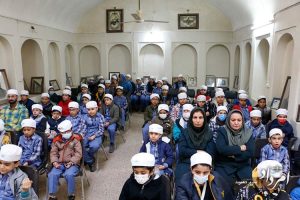
Preschools and educational centers serve as a complement, providing safe, joyful, and stimulating environments where children learn through play, develop social skills, and engage with Zoroastrian traditions and values. Zoroastrian organizations are responsible for overseeing these centers, ensuring high educational and cultural standards, and nurturing a generation grounded in wisdom, ethics, and cultural identity.
Modern Challenges and Solutions
Today, fast-paced life, social media, and limited family time can weaken bonds between parents and children. Strategies to address these challenges include:
- Allocating dedicated time for family conversations and play,
- Offering preschools free from mobile distractions with rich cultural programs,
- Hosting workshops for parents on psychology and spiritual education,
- Drawing on the wisdom of community elders to strengthen children’s identity,
- Monitoring and guiding children’s growth through careful planning and regular evaluation.
Conclusion
Children are the foundation of tomorrow’s society. When raised with care, love, and wisdom, they become virtuous, resilient individuals. The enduring teachings of Zoroaster and the heritage of Iranian culture offer guidance for nurturing the next generation. With the support of families, educational institutions, and cultural organizations, today’s children can grow into strong, flourishing individuals whose influence shapes society and lights the way for future generations.