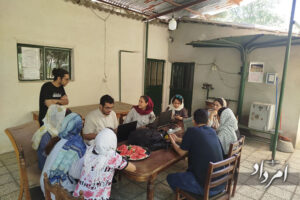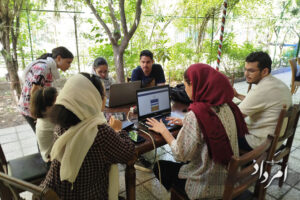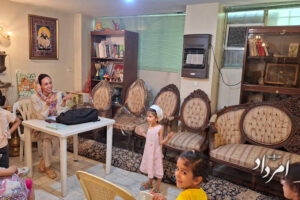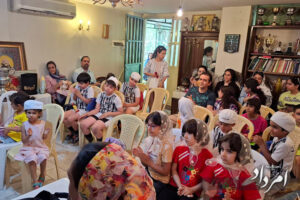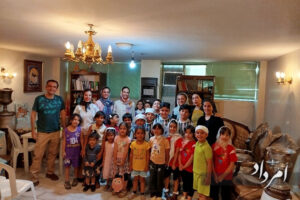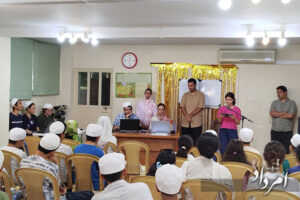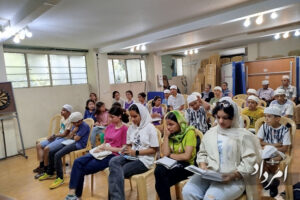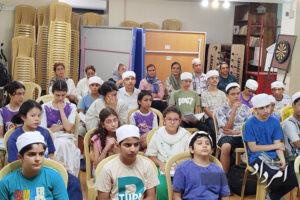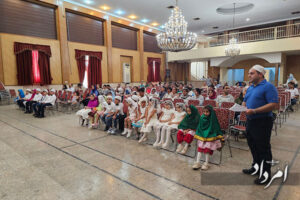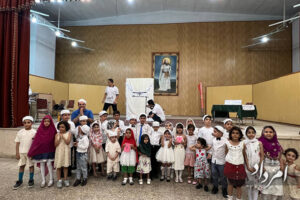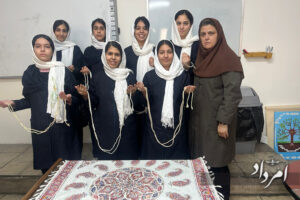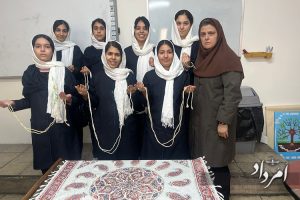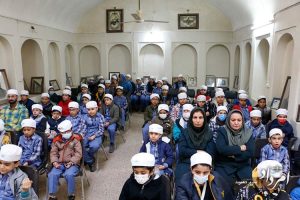


The Zoroastrian Students’ Association, in cooperation with the executive board of Adrian Temple, launched the first round of Gatha-reading classes, which included melodic recitation, word study and lessons on Din Dabireh.
According to the Tehran Zoroastrian Association’s website, the classes were designed for children, teenagers, and young adults in three age groups—under 10, 10–13, and over 13—and covered different aspects of Avesta recitation. They were organized to help prepare Tehran participants for the 32nd National Manthra Gatha-Reading and Avesta Studies Conference, beginning on Friday, 22 Farvardin 1404, at Adrian Temple in Tehran.
The opening session was attended by participants and their families and provided an introduction to various parts of the Manthra 32 program. Members of the Zoroastrian Students’ Association and conference officials briefed attendees on registration, age categories, recitation levels, Manthrak, competitions, camp activities, and more.
Later in the session, Pegah Bozorgchami, coordinator of Manthra 32, speaking on behalf of the organizing team, offered further details on the event and, as in past years, expressed gratitude to Dadbeh Orangi for his continued support and cooperation with the Zoroastrian Students’ Association and the Manthra Conference.
On Friday, 26 Ordibehesht 1404, officials of Manthra 32, together with parents of the participants, helped complete profiles and documentation to simplify the registration process.
In addition, as in previous years, a friendly competition was organized on Friday, 20 Tir 1404, at Adrian Temple in cooperation with the Zoroastrian Students’ Association. This event served as a rehearsal for the preliminary round of Manthra 32, offering Tehran participants a chance to gain familiarity with the format and strengthen their readiness.
At the close of the rehearsal, Dadbeh Orangi, head of the Gatha-reading classes at Adrian Temple, shared participation figures: 33 children under the age of 10, and 42 participants over 10 competing in categories including Ahnavaiti, Ashtavaiti, the full Gathas, and memorized recitation. He further noted that this year, two groups from Adrian Temple will enter the memorized-recitation category group, in the Manthra 32 competitions.
Dadbeh Orangi extended his thanks to everyone involved in organizing the Manthra Conference through the Zoroastrian Students’ Association, with special recognition to Pegah Bozorgchami, coordinator of Manthra 32; Parsa Rashidi, liaison to the Religious Council; Arshia Kiyumarsi, head of Avesta recitation; and team members Horoshid Nikfam, Kavian Goshtasbi, and Kimia Behzadi. He also acknowledged Gatha-reading instructors Negar Bozorgchami and Sepehr Goshtasbi for teaching the Gathas to Zoroastrian children and youth, the parents for their dedication to their children’s learning and practice, and Taj Gowhar Khodadad Kouchaki, the temple attendant, for her support.
The Gatha-reading classes at Adrian Temple, led by Dadbeh Orangi, are free of charge and held in person for Zoroastrians. The sessions will continue every Friday in Tehran through Shahrivar 1404, up until the final stage of the Manthra Conference.