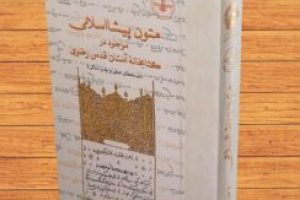


“Nowrooz and philosophy of Haftseen” written by Mohammad Ali Dadkhah, Iranian jurist and cultural scholar, has been reprinted for the 27th time. Its continued reprinting reflects the enduring bond between Iranians and the celebration of Nowrooz.
Written in a clear and pleasant style, the book explores the deeper meaning of Nowrooz and the symbolism of the Haftseen. It presents the festival not simply as an ancient custom, but as a living current within Iranian culture that renews hope, unity, and vitality each year. The latest edition includes new additions and expanded reflections, and more than fifty thousand copies have been published to date.
The author notes that twenty-seven consecutive years of reprints show how the book, much like Nowrooz itself, returns at the start of each year to bookstore windows. He emphasizes that seasonal celebrations, especially Nowrooz, have helped sustain Iran’s cultural identity across centuries. In this moment of nature’s rebirth, when winter yields to spring, by reading this book, people renew their knowledge of Iranian customs and festivals.
According to the book, these shared ceremonies, transcend divisions caused by different beliefs or background, forming an enduring and heartfelt connection that continues to unite Iranians year after year.
The beliefs and shared devotion surrounding Nowrooz and spring is a love carefully printed by our wise ancestors in the cultural foundation of this land. Each year, the symbolic figure of Amu Nowrooz brings news of spring and renewal, echoing the ancient tale of Jamshid’s triumph over darkness and affirming the resilience of the land and its people.
This celebration has had such positive effects across borders, that in 2000 UNESCO registered it as intangible culture, and UN adopted a resolution in 2010, by which the Haftseen table was introduced to the global audience.
Drawing on ancient sources, the book explains that many Iranian festivals are rooted in a single name that gives rise to layered meanings. These meanings guide reflection and renewal at the start of the year. For instance, senjed, the first “S” of the Haftseen, conveys ideas of measure and discernment, inviting thoughtful evaluation and wise choice. Such symbolic depth reflects the intellectual vision of our ancestors, though it has often received limited scholarly attention.
The twenty-seventh edition of Nowrooz and the Philosophy of the Haftseen, printed in a larger run than before, demonstrates the enduring attachment of Iranians to their cultural heritage.
While other ancient civilizations such as Assyria, Akkad, Babylon, and Elam once flourished, today little remains of them but their names. Iran’s continuity, the author suggests, rests on something deeper than geography. It is sustained by a living cultural spirit that, through Nowrooz each year, renews vitality and unites the nation in shared hope.
All Iranian peoples and communities come together in joy and celebration, making Nowrooz a steadfast pillar of Iran’s culture and identity. The Haftseen table, the book explains, acts as a “library of thought,” inviting reflection outward and inward. Each item represents a facet of existence, collectively guiding us in understanding life, learning its lessons, and applying them wisely.
Though thousands of years have passed since the first Nowrooz, it is now recognized globally as the International Day of Peace. The Haftseen’s symbols serve as a unifying bridge across beliefs, tribes, and regions, creating a lasting cultural identity that protects Iran from social and cultural erosion.